Kids birthdays / 5 min read
A kids’ party with enough to do—and room to play
Choose one easy arrival activity, one main shared activity and a quieter backup. Leave gaps for eating, chatting and unstructured play. A flexible sequence is easier to host than a packed timetable that depends on every child arriving or finishing at the same moment.
Start with the children who are coming
Ask about ages, interests and any access or participation needs. Confirm whether caregivers will stay and make that expectation clear in the invitation. Do not plan the supervision arrangements around an assumption that every adult guest will automatically help. Agree responsibilities with the adults who have actually committed to them.
For purchased activities, follow product age guidance and instructions. The Consumer Product Safety Commission advises matching toys to children’s interests and abilities and paying attention to small parts and balloons. Theme compatibility is not a substitute for suitability. Keep packaging and setup materials away from the play area, and review each activity before guests arrive.
Make arrival easy to join
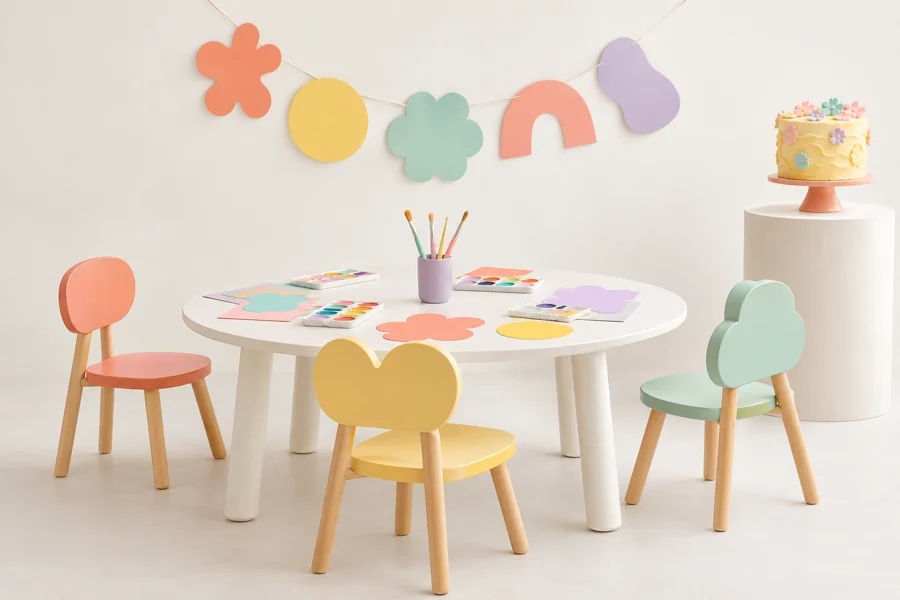
Choose something a child can start at any point: a large coloring sheet, a simple themed drawing prompt or a suitable building activity. Prepare it before the doorbell rings. It gives early arrivals something to do while you greet families, and it does not penalize anyone who arrives a little later.
Avoid making this the most complicated project of the afternoon. If it needs a long explanation or constant help, it becomes another job for the host at the busiest moment. Put a completed example nearby and choose materials appropriate to the group. Keep a place for finished work with names so it does not disappear into a pile.
Use a sample sequence, not a stopwatch
For an illustrative ninety-minute gathering, try fifteen minutes of arrival play, twenty minutes of the main activity, twenty minutes for food, fifteen minutes for cake or another celebration moment and twenty minutes for flexible play and pickup. These are editorial timing estimates, not research-based attention-span limits.
Watch the group and move a transition earlier or later when it helps. If a game is working, let it breathe. If it falls flat, change to the backup without announcing a failure. A schedule should help the adults coordinate, not require children to complete identical experiences at identical speeds.
Give the theme one playable idea
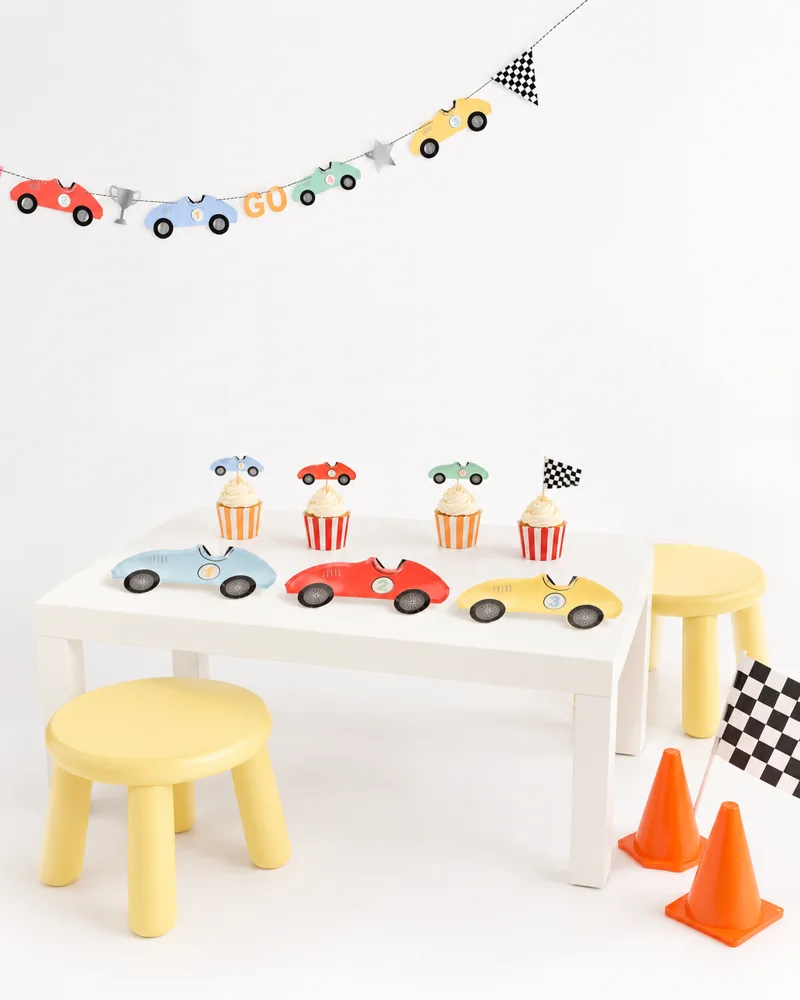
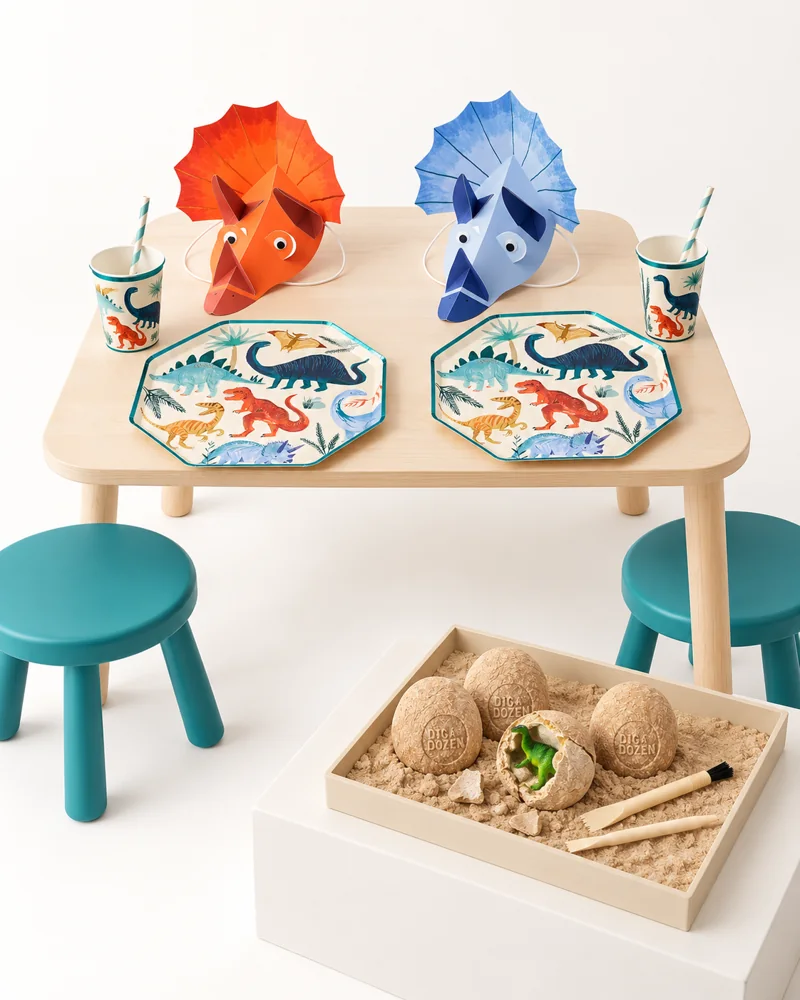
A racing party might use a suitable tabletop track; a dinosaur party might involve drawing an expedition map; a movie theme can include making ticket art before the screening. These are Event Fairy activity suggestions, not claims about what every child prefers. Check the materials, space and supervision each idea needs.
Choose an activity because it works for the group, then style the surrounding table. A wonderful backdrop cannot rescue a project that is too fiddly or has a long queue. Duplicate a popular station where practical, or choose an activity people can do together. Make participation optional and provide a quieter alternative in a visible, supervised place.
Plan the handoff home
Put take-home projects somewhere accessible, with a clear way to identify them. If favors are included, choose contents suitable for the children receiving them and check product guidance. Keep spares for mistakes in named stationery rather than buying a second complete decoration set.
Confirm who is collecting each child through your agreed arrangements, and keep the entrance clear during pickup. Give helpers named jobs: collecting artwork, tidying the activity table or handing back belongings. Afterward, note which activities people enjoyed and what stayed unopened. That record will guide the next party better than a perfect-looking schedule.
Your questions, answered.
How many activities does a small birthday party need?
Start with one arrival activity, one main activity and one optional backup. Add more only if the group, duration and adult help make them useful.
What if some children do not want to join the game?
Offer an appropriate quieter alternative that remains within the supervision plan. Avoid making participation a public test or a condition of receiving a favor.
Is ninety minutes the ideal party length?
It is only the example used here. Choose the duration with the family, venue and activities in mind, and communicate the finish time clearly.
Sources & editorial notes
Planning suggestions and example timelines are Event Fairy editorial guidance. Sources below support the specific background points; they do not validate every suggested activity or budget.
- US Consumer Product Safety Commission: Toys
Primary guidance to follow toy age labels and match children’s interests and abilities; small parts and uninflated balloons require particular care. Article does not supply developmental or medical claims.
One small next step.
Choose one decision from this guide and add it to your plan. You do not need to do everything today.
Open the planning desk