Budgeting / 5 min read
A party budget for twelve, with room for the good bits
Begin with the total you are comfortable spending, then price the essentials before adding styling. Count food, drinks, supplies, delivery and tax—not just decorations. The $300 example here is an editorial worksheet, not an average US party cost or a promise that a particular basket will cost this amount.
Define what your total includes
For this example, assume twelve guests at home, with no venue fee, paid entertainment or hired furniture. If your real event needs any of those, add the quotes before using the rest of the worksheet. Decide whether invitations, clothing and gifts are inside or outside your event budget. An unclear boundary can make a plan look affordable while the actual total keeps rising.
Count adults and children separately where the menu or activity differs. List what is already available: tables, chairs, plates, pitchers and useful fabric. Borrowing an item only saves work if pickup, return and care are manageable. Keep a note of the owner so it finds its way home.
Try one transparent example
An illustrative $300 allocation is $120 for food, $45 for drinks and ice, $30 for tableware and serving supplies, $45 for decorative focal pieces, $30 for a shared activity or favors, and $30 held back for tax, shipping and unexpected essentials. The numbers add to $300, but they are not researched market prices.
Replace every amount with real quotes or cart totals before committing. If tax and delivery exceed the reserve, adjust the other lines before adding extras. If you already own serving pieces, move that money to something your guests will use. The useful part of the example is the complete set of categories, not the exact allocation.
Count the package, not the product photo
Record the number of pieces in a pack and the number you actually need. A listing showing several colors may sell only one item. A set might include cups and plates in different quantities. Check sizes, materials, personalization, dispatch timing and whether a pictured stand is included.
For reusable goods, consider whether you have room to store them and an occasion to use them again. For food, the EPA’s planning guidance supports checking existing supplies and buying intended quantities. A larger package is not automatically better value if the surplus is never used. Compare the complete checkout cost, including separate shipping from different sellers.
Choose the detail people will notice
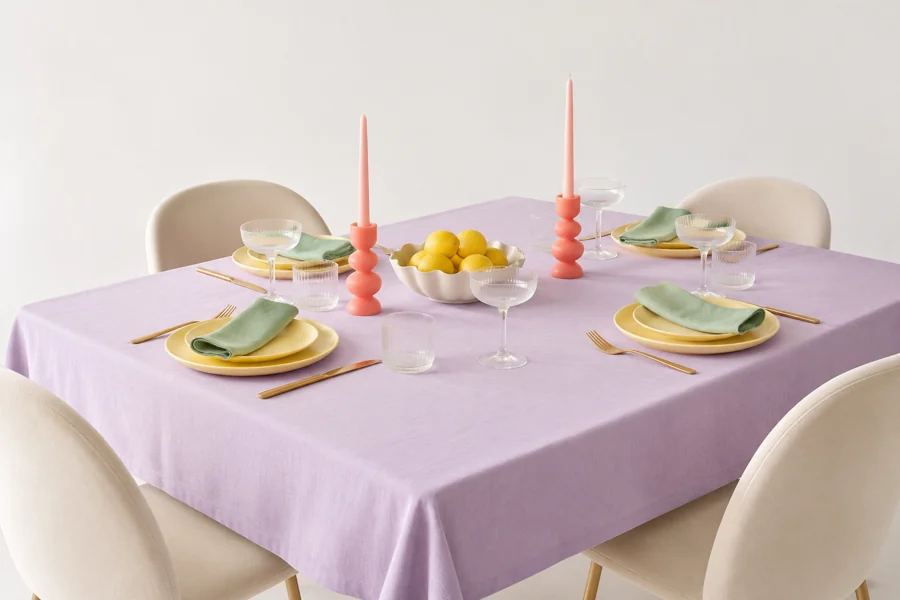
Pick the main moment: a cake table, shared craft or beautifully set meal. Fund that first within the decoration or activity allowance. Let plain supporting items do their jobs. Repeating one color across a napkin, sign and ribbon can make a simple setup feel coordinated without printing the theme on every object.
Keep a list of optional upgrades with their actual costs. Buy them only after essentials are confirmed. This lets a generous idea stay on the wish list without quietly becoming a requirement. The collection tiers can help compare decoration scope, but their product subtotals are not automatically the complete event budget.
Reduce scope in a useful order
If the total is too high, remove duplicate decor, extra favors and difficult DIY projects before changing essentials guests rely on. Consider a different event format only if you can communicate it clearly; an afternoon dessert gathering and a lunch invitation create different expectations.
Recheck the budget after RSVP changes and before placing the final order. Keep receipts and note what you used. A small record of unused supplies is more useful next time than a vague feeling that you overspent. Your best budget is the one that describes the party you will actually host.
Your questions, answered.
Is $300 the recommended budget for twelve people?
No. It is a worked example for a home event without venue or entertainment fees. Your location, menu, existing supplies and preferences determine a suitable total.
Does the collection price include the whole party?
No. Treat shopping-list product subtotals separately from food, drinks, venue, delivery, tax and other event costs. Check what each displayed amount includes.
What should I cut first if I am over budget?
Review duplicate styling, optional favors and items bought only for a photograph. Protect the practical essentials and the main experience you want guests to have.
Sources & editorial notes
Planning suggestions and example timelines are Event Fairy editorial guidance. Sources below support the specific background points; they do not validate every suggested activity or budget.
- US EPA: Preventing Wasted Food At Home
Primary practical guidance: inventory existing food, plan purchases with quantities, buy what will be used. It does not supply or endorse the example event budgets and schedules.
One small next step.
Choose one decision from this guide and add it to your plan. You do not need to do everything today.
Open the planning desk